SMP After a Hair Transplant: Why Density Work Is Needed
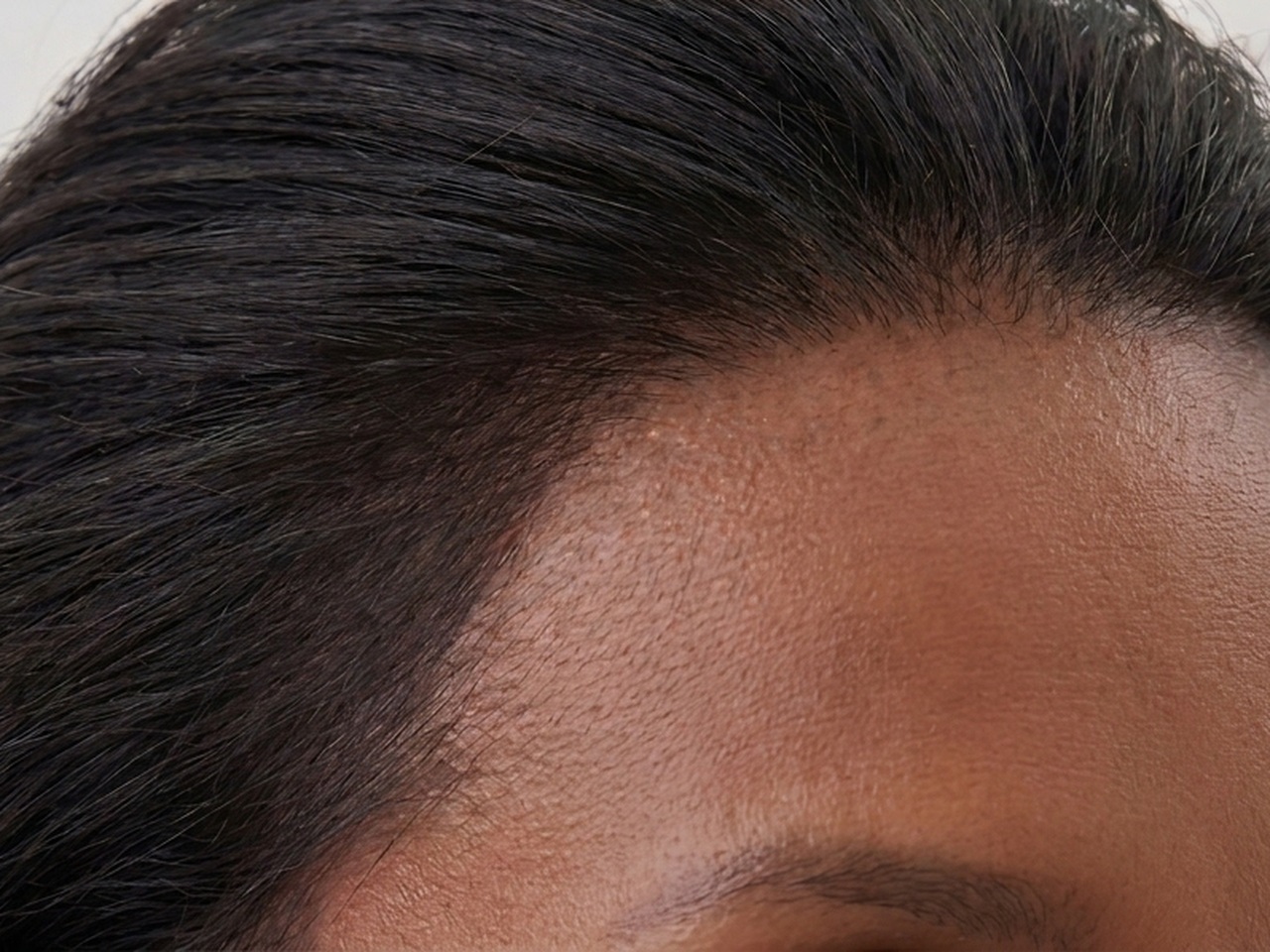
A hair transplant moves a finite number of grafts from the back of the head to the top. Even a well-executed surgery is limited by how many grafts the donor area can safely give, which is why many clients heal with a real but thinner-than-expected result.
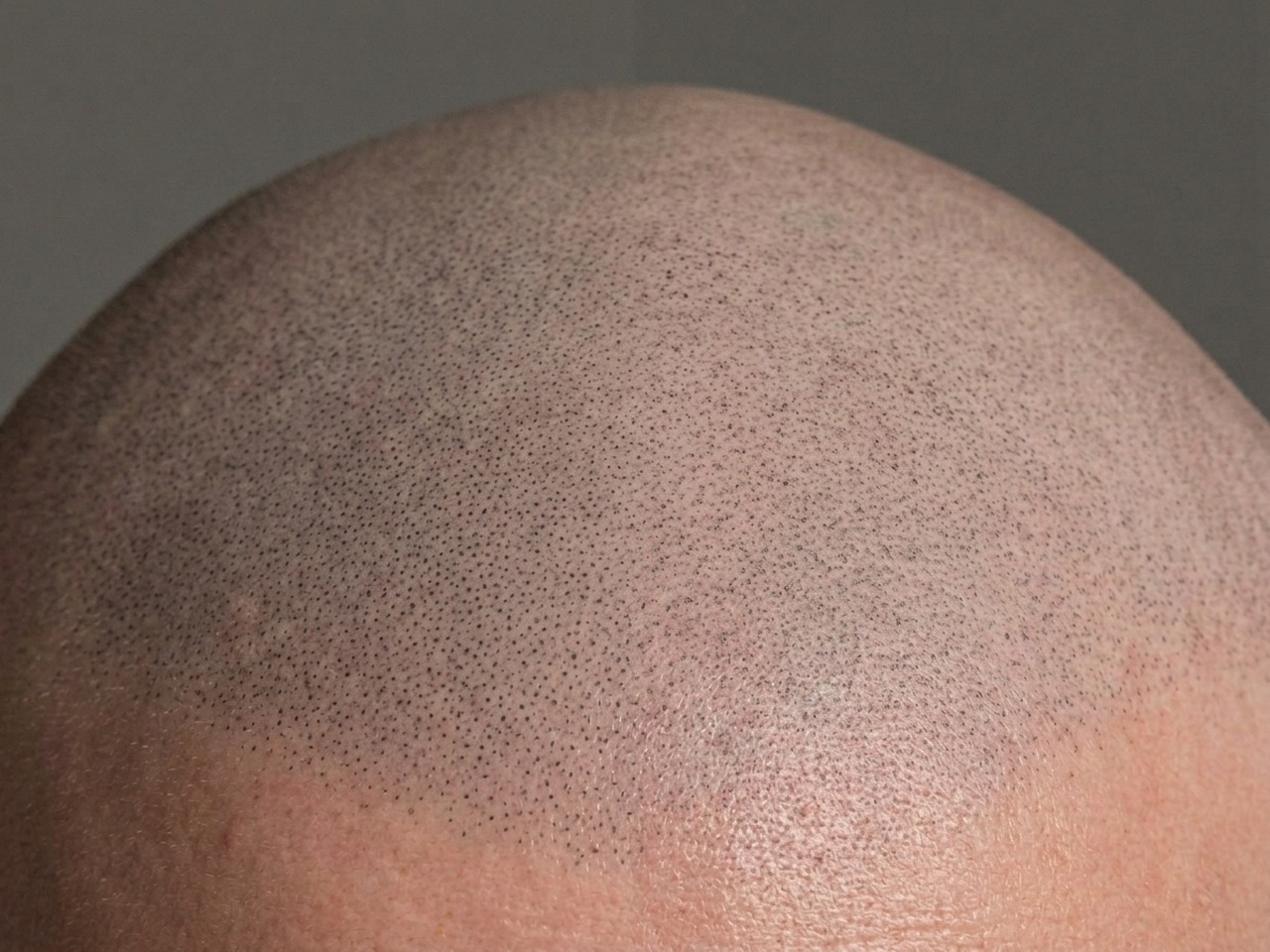
Scalp micropigmentation fills the space between grafts with pigment, removing the scalp show-through that makes a transplanted area look sparse. Combining the two is the most common reason post-transplant clients come to our Los Angeles studio.
Why transplants often need a density finish
- Donor supply is finite: surgeons must protect the back and sides, so coverage is rationed across the scalp.
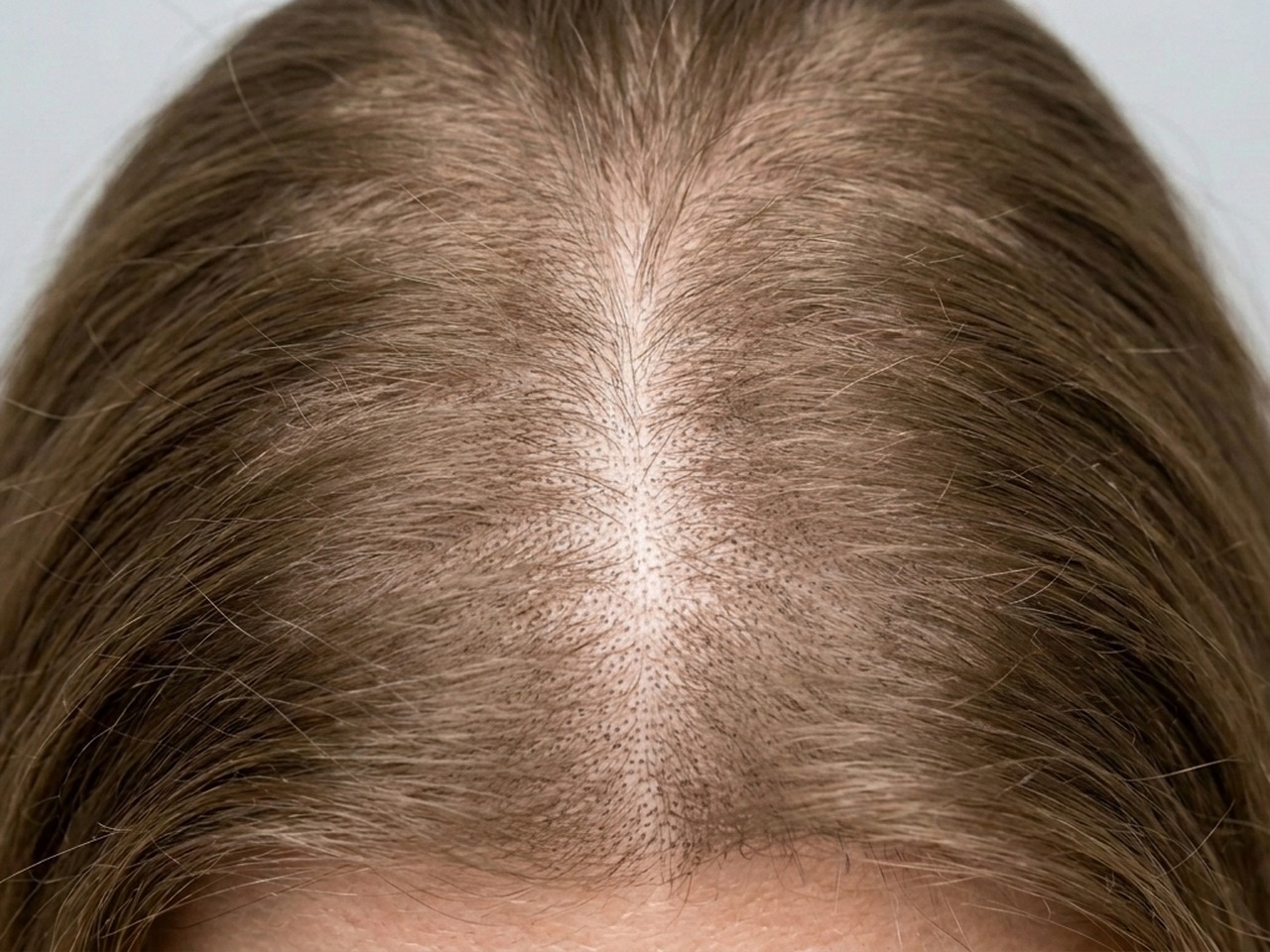
- Grafts are spaced: transplanted hairs are placed further apart than native hair, leaving visible scalp between them.
- Not every graft survives: typical survival rates still leave gaps that only become obvious once everything has grown in.
- Loss continues: native hair around the grafts can keep thinning, so the contrast reappears over time.
What SMP adds after surgery
Pigment placed between grafts darkens the background. That single change makes existing transplanted hairs look thicker, because visual density is produced by the absence of bright scalp as much as by the hair itself.
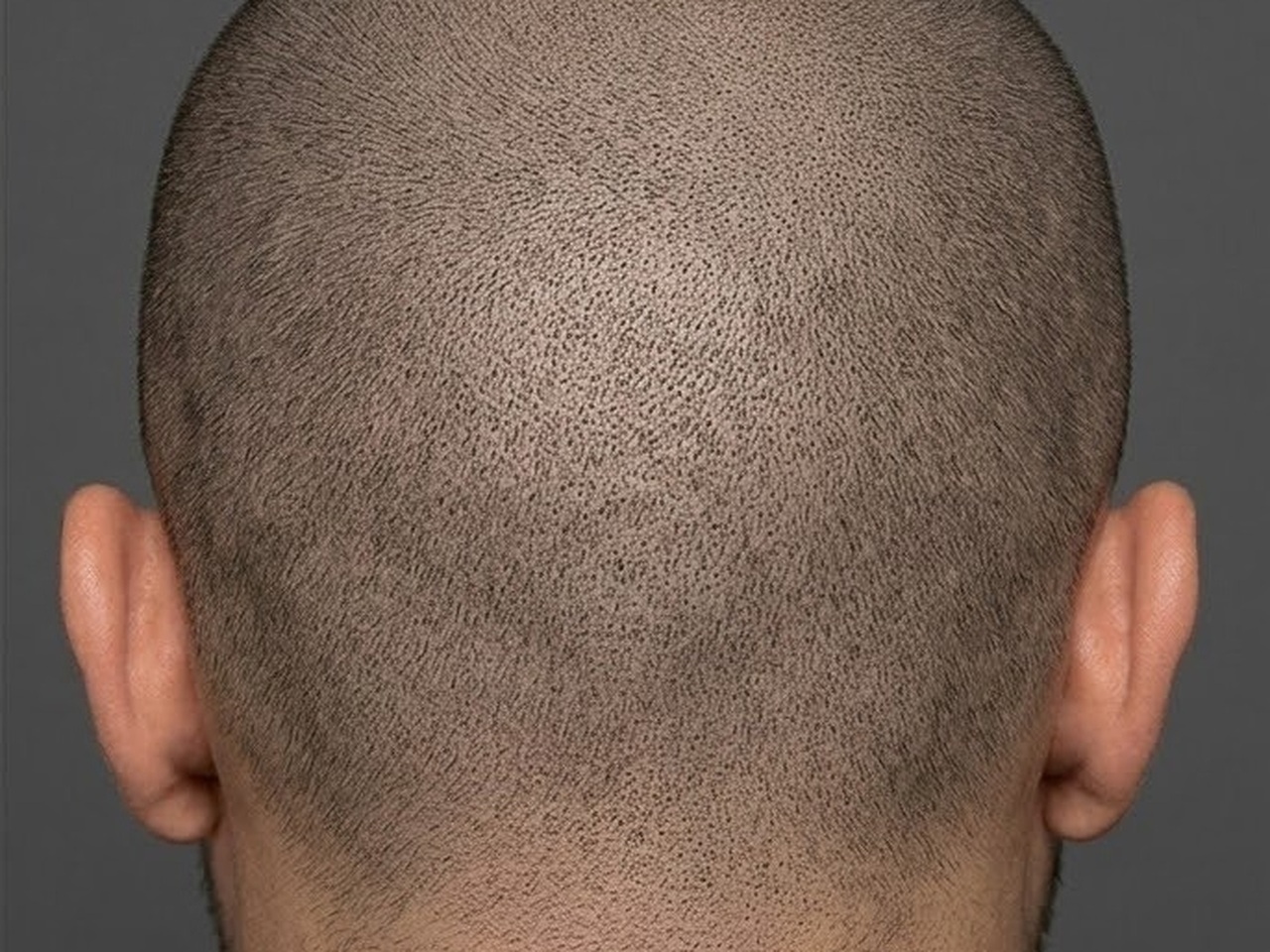
The donor area is treated in the same plan. Strip scars and FUE dots are camouflaged so short haircuts stop revealing the surgery.
When to book after a transplant
Recipient-area density work is normally performed at least ten to twelve months after surgery, once grafts have fully grown in and the final result is visible. Donor scar camouflage follows the same twelve-month guideline for mature tissue.
Coming in earlier risks pigmenting an area that will change, and reading a result that is not finished yet.
SMP instead of a second surgery
Some clients considering a second procedure find that a density finish achieves the look they wanted without another recovery, another scar and another draw on a limited donor supply. That conversation happens at consultation, with photographs, not over the phone.
What the combined result looks like
Real hair supplies movement and texture. Pigment supplies the dense background those hairs sit against. Together they read as one head of hair rather than as two separate solutions.
Because the work is cosmetic and non-surgical, there is no downtime beyond a short aftercare period, and the plan can be revisited as your pattern evolves.
Direct answers
Will SMP damage my grafts?
No. Pigment is placed in the scalp between hairs at a shallow depth and does not affect transplanted follicles.
How long after a transplant can I have SMP?
Generally ten to twelve months, once grafts have grown in and donor scars have fully matured.
Can SMP hide my donor scar as well?
Yes. Both FUT strip lines and FUE dot patterns are camouflaged with irregular, tone-matched impressions.
Is this cheaper than a second transplant?
Plans are quoted individually at consultation. What we can say is that it involves no surgery, no recovery period and no further demand on your donor area.