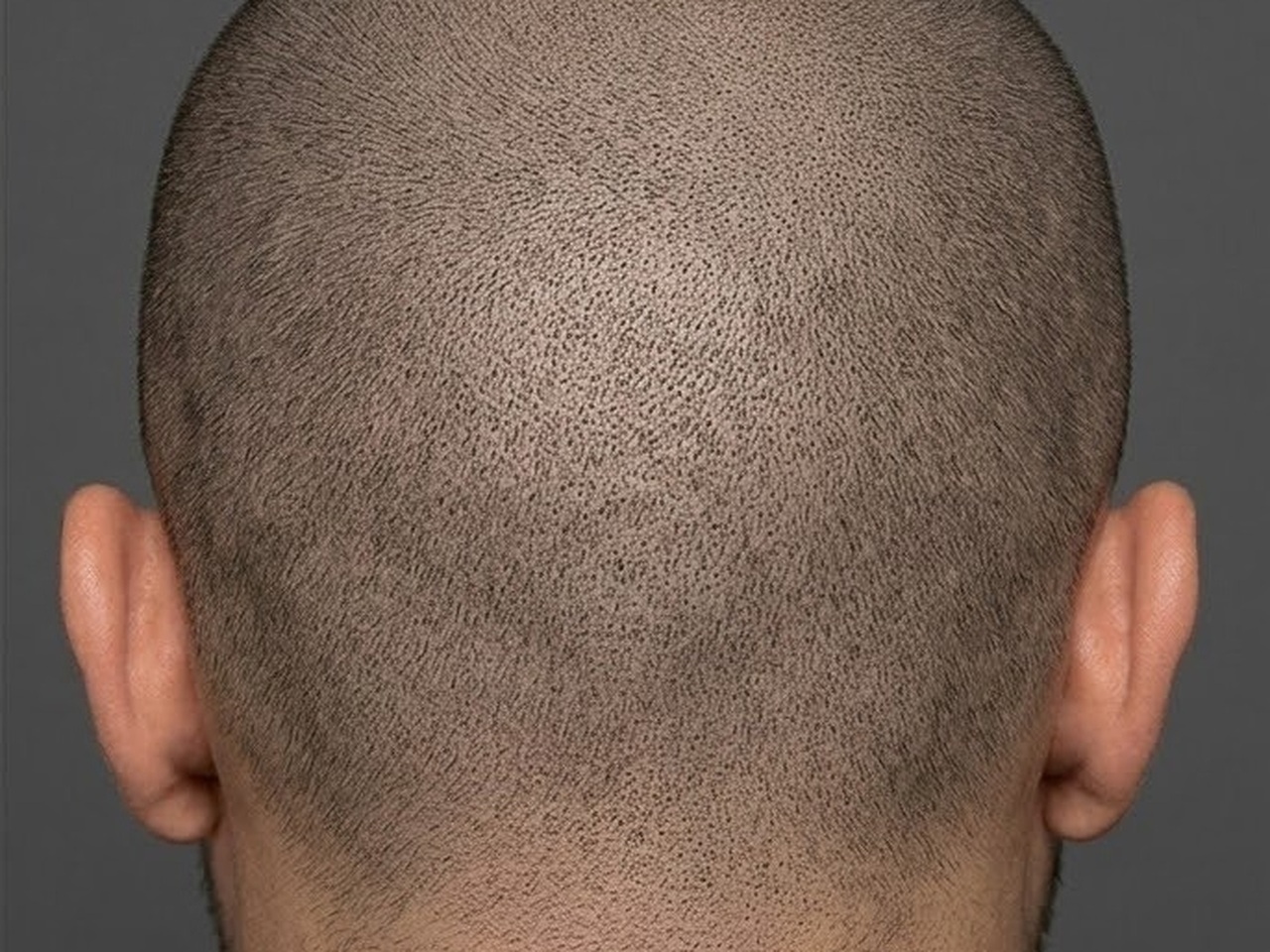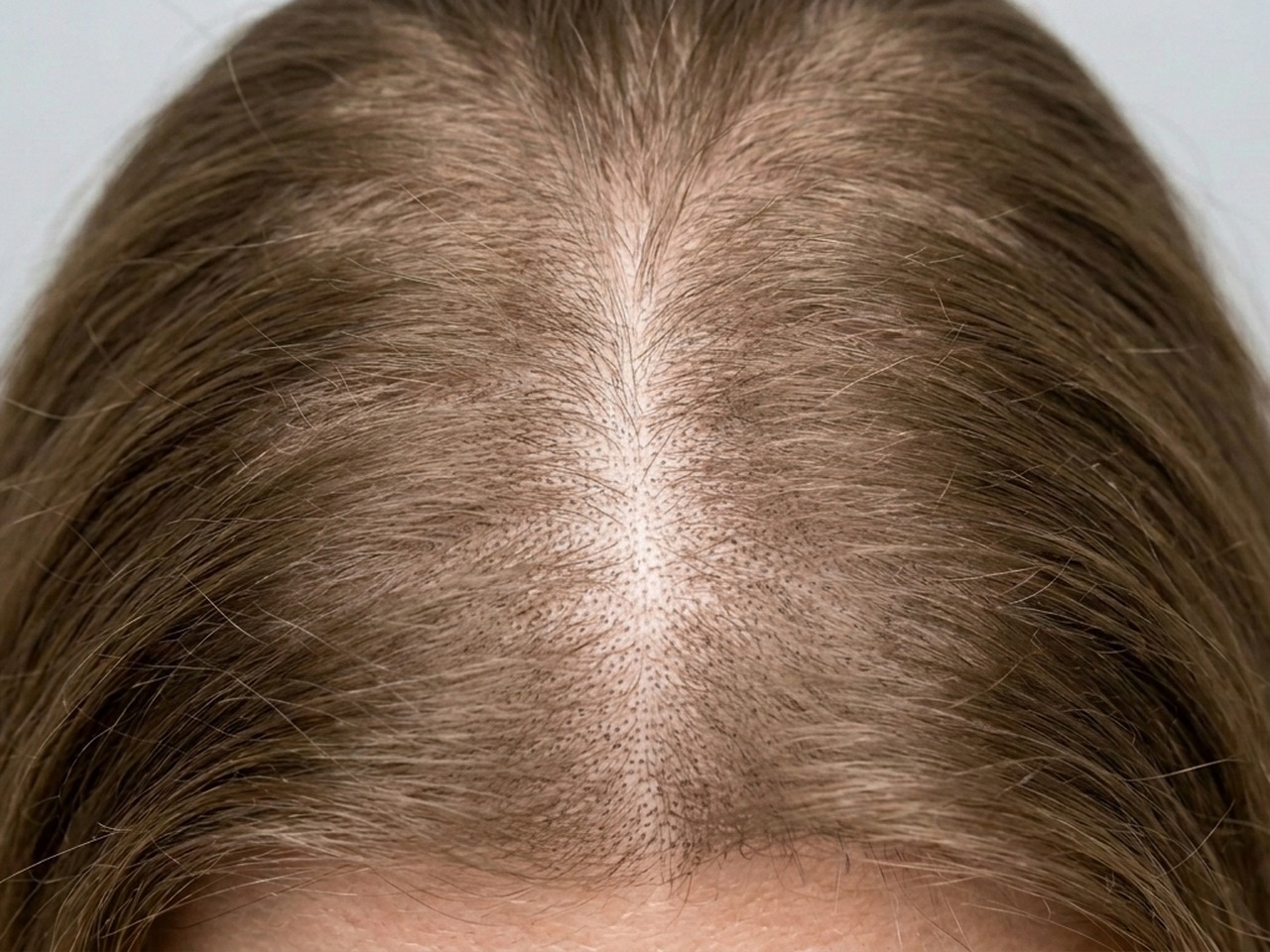
Best Non-Surgical Solution for a Receding Hairline
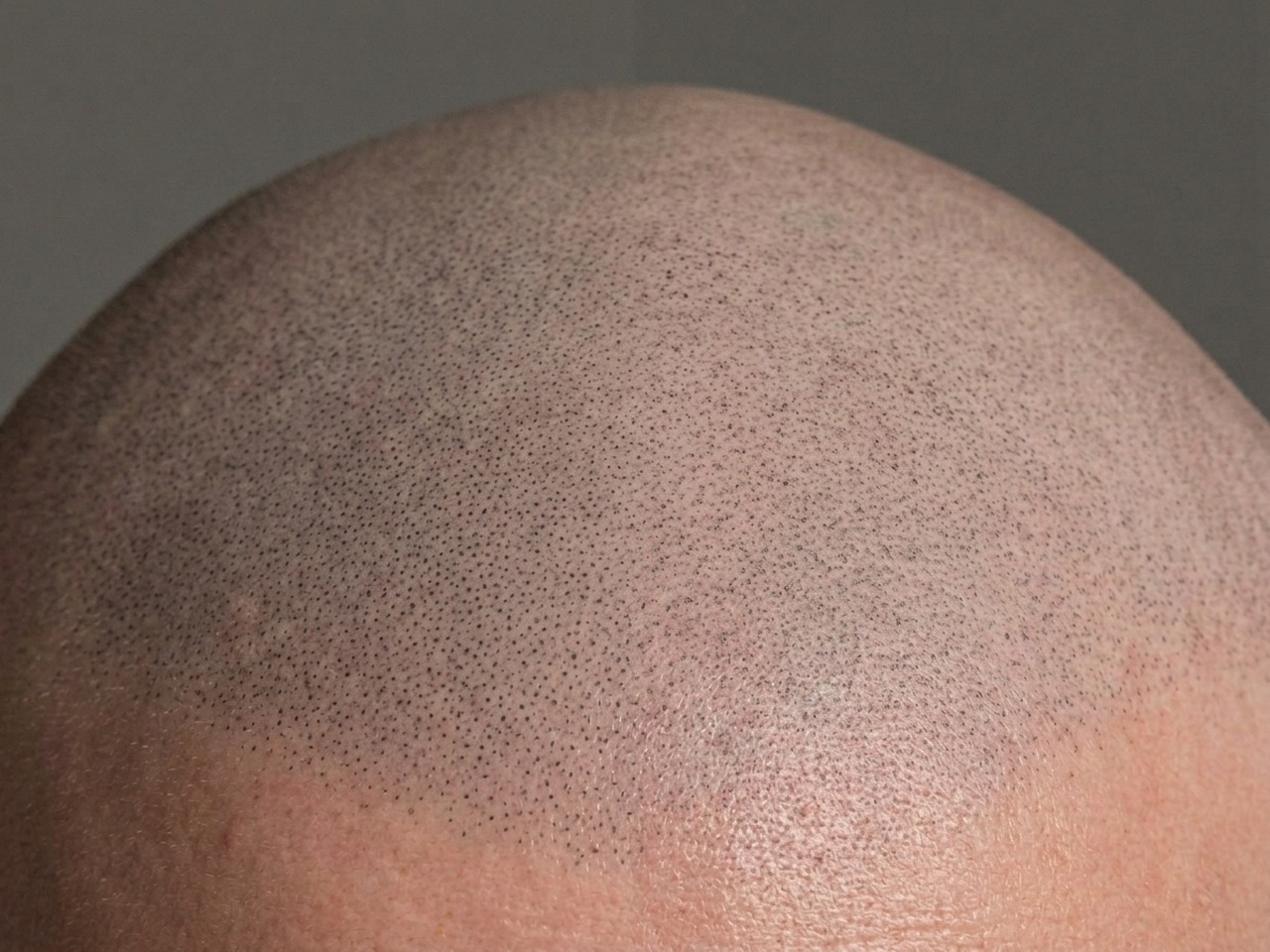
The most convincing non-surgical solution for a receding hairline is scalp micropigmentation (SMP): a cosmetic procedure that places micro-precision pigment into the upper layer of the scalp to recreate the appearance of natural hair follicles along the front line.
It is not surgery, not medication and not a cover-up you reapply each morning. For clients in Los Angeles who want a defined but believable hairline without downtime, it is usually the shortest distance between the problem and a result they stop thinking about.
Why a receding hairline is hard to disguise
A receding hairline changes the shape of the face, not just the amount of hair. The temples open, the front line moves back and the contrast between bare scalp and remaining hair becomes the first thing the eye lands on in photographs.
That contrast is the real issue. Any solution that does not reduce the difference in tone between skin and hair will keep reading as thinning, no matter how the hair is styled.
The non-surgical options, honestly compared
- Hair fibers and concealers: instant, inexpensive and genuinely useful for photographs — but they move in wind, transfer onto pillows and need reapplying daily.
- Topical and oral products: can slow the pace of thinning for some people, work best early, and are a long-term commitment with no guarantee of visible regrowth at the hairline.
- Hair systems and toupees: full coverage, but daily maintenance, adhesive care and a constant awareness of the edge.
- Scalp micropigmentation: a one-time series of cosmetic sessions that closes the tone contrast permanently enough to forget about, with nothing to apply and nothing to hide.
What SMP does for a receding hairline
A hairline is rebuilt point by point rather than drawn as a line. The front edge is deliberately irregular, with broken density and a soft transition zone, because real hairlines are never a clean arc.
For clients who still have hair, impressions are placed between existing strands so the scalp stops showing through. For clients who shave, the same technique produces the clean shadow of closely cropped hair across the frontal zone.
Designed for your face, not a template
The position of a new front line is mapped to your bone structure, brow height and the way your recession has progressed — then approved by you before any pigment is placed.
A hairline that sits too low or too straight is the single most common reason work elsewhere looks artificial. Restraint at the design stage is what makes the result undetectable.
A hairline tattoo alternative, not a tattoo
Conventional tattooing places ink deep in the dermis, where it spreads and shifts colour over the years. SMP is placed far shallower, in impressions sized like a follicle, using pigment formulated to soften warm-grey rather than turn blue.
Who this suits in Los Angeles
- Early recession at the temples where the corners have opened but density remains behind them
- A mature hairline someone wants softened rather than dramatically lowered
- Post-transplant front lines that healed thinner than expected
- Anyone who wants a result that survives natural light, short haircuts and close-up photographs
Direct answers
Is scalp micropigmentation a medical procedure?
No. It is a cosmetic aesthetic procedure. There is no surgery, no medication and no downtime beyond a light aftercare routine.
Will it stop my hairline from receding further?
No cosmetic procedure changes the biology of hair loss. A well-planned design accounts for likely future recession so the result still reads naturally as the pattern evolves.
How many sessions does a hairline take?
Most hairline work takes two to three sessions spaced one to two weeks apart, with an optional final refinement session.
Can I still shave or grow my hair afterwards?
Yes. The work is designed around how you actually wear your hair, and both short and longer styles are accounted for at the design stage.